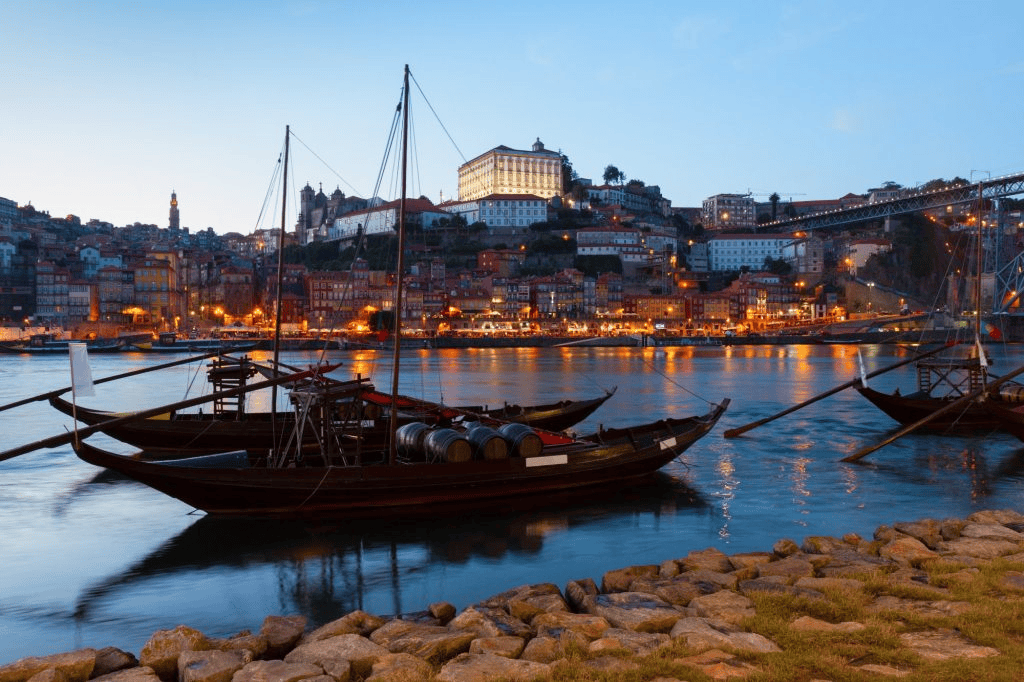
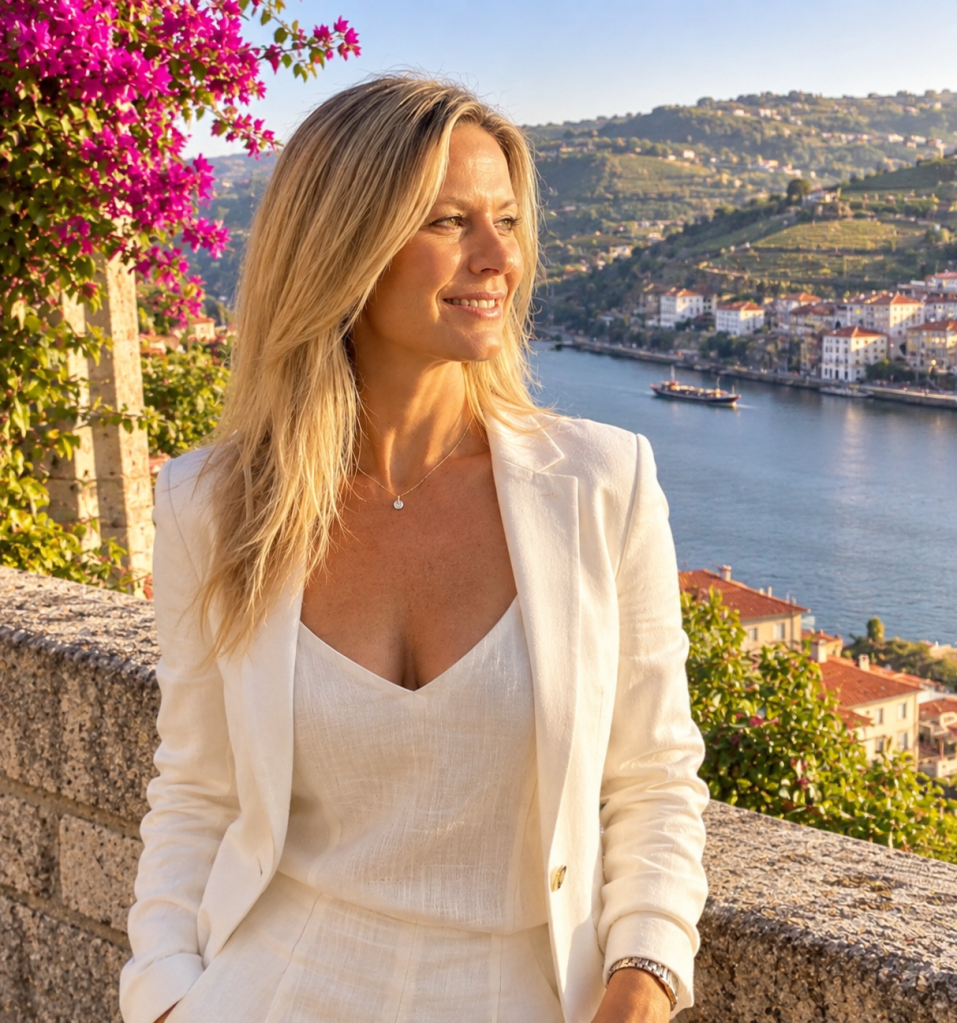
This is about a 15 minute read, but great info if you are planning a culinary trip to Portugal. I travel to Portugal far more often than my passport would suggest and not the way you think. One pour of twenty-year tawny Port, amber at the rim and smelling of orange peel and toasted walnuts, and I can see the old rabelo boats rocking at their moorings in Vila Nova de Gaia while the tiled facades of Porto catch the late sun across the river. A spoonful of Serra da Estrela cheese, so soft it has to be scooped from its rind, takes me somewhere else entirely, up into the mountains where the air smells of woodsmoke and the stone villages close their shutters early against the cold. That is the quiet magic of Portuguese food. It carries you somewhere.
Where my love of food and wine began.
My parents were both incredible chefs, and wine was always part of our table. My very first taste was a glass of Champagne in beautiful Épinay France, and with it came my first real food and wine pairing that has shaped my travel style. I learned from them that the best culinary trip is a slow and immersive one. You learn from the locals how they cook, you taste their ways, and you eat where they eat so I make a point of finding the local restaurants and experiences, and I almost always book a cooking class with a local.
My advice for your culinary trip to Portugal: do the same. Research the places recommended for personal, unhurried experiences, then check that research again. Ask where the locals eat. Those are almost always the best tables. Or work with us, we will guide you to the exact places that will work with your travel style.
I have been writing about Portugal as a slow travel destination for the past few months, from its heritage to destination weddings and the reasons it belongs on every traveler’s list. A slow culinary trip is my personal idea of the perfect journey, the kind where you stay long enough to have a favorite table.
The rest of the world has noticed too. Lisbon was named Europe’s Best Culinary Destination at the 2024 World Culinary Awards, Porto took Europe’s Best Emerging Gastronomic Destination the same year, and the 2026 Michelin Guide Portugal awarded ten new stars. Still, the meals I prefer happen at a scrubbed wooden table in a family dining room, or standing in a village square with a paper cone of roasted chestnuts warming your hands.
To bring you the best of it, I have gathered pro tips from our partners on the ground at NONIUS DMC, who design private food and wine journeys across Portugal.
Why November and Christmas Are the Best Times for a Culinary Trip to Portugal
When clients ask me when to go to Portugal for the food, I say November. The harvest is in, the first new wine is being poured, and new olive oil runs green and peppery from the mills. On November 11, St Martin’s Day, villages roast chestnuts over open fires for the magusto and wash them down with young wine. It is a harvest festival in everything but name. If November doesn’t work, then go for Christmas, when the cities light up and the season builds to the Consoada on Christmas Eve.
NONIUS Pro Tip: Aim for the week around November 11. Many villages hold their own magusto, and you can join simply by turning up.
Still need a last-minute holiday escape? It is not too late. A long Thanksgiving week in Lisbon, a few days in the Douro after harvest, or a slow drive through the Alentejo can all still come together for November or December, so reach out to me and we can see what is still available.
The Tasca, Where Portugal Actually Eats.
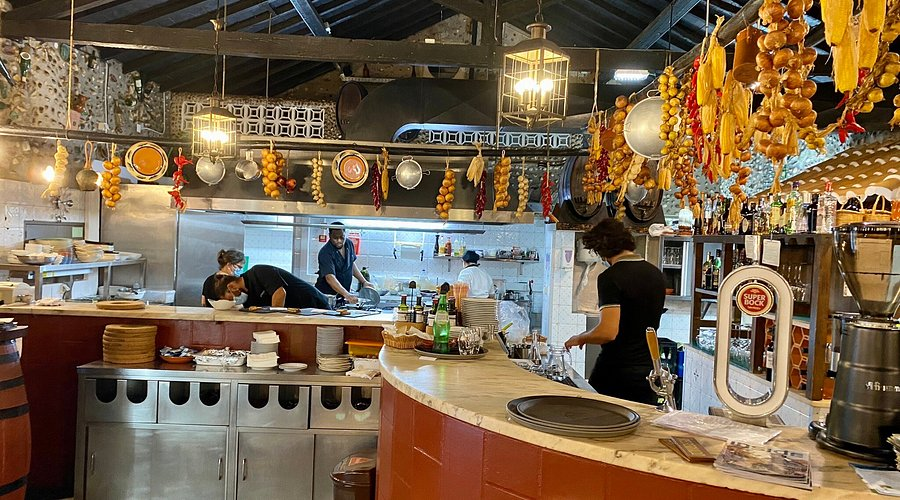
If you take one thing from this guide, let it be the tasca, the small family-run dining room where Portugal actually eats. Look for paper tablecloths, a handwritten menu and a kitchen no bigger than a closet. Grilled sardines arrive blistered from the coals, a stew has been simmering since morning, and the house wine comes in a jug. With three generations at the next table and nobody in a hurry to leave, it is the closest thing Portugal has to Thanksgiving, and it happens every week.
Pro tip from NONIUS: Go at lunchtime and ask for the prato do dia, the dish of the day. It is what the kitchen is proudest of that morning and almost always the best value on the menu.
The Regions on a Plate.
The Alentejo. Here you don’t order a meal so much as watch it arrive: warm bread, olives with garlic and oregano, sheep’s cheese and cured black pork, then small plate after small plate until lunch becomes the afternoon. The starters on your table are not free, so ask for them to be taken away if you would rather save room.
Serra da Estrela. In Portugal’s highest mountains, winter is the season for Queijo Serra da Estrela, a sheep’s milk cheese so soft you eat it with a spoon. NONIUS’s favorite table is O Albertino in the stone village of Folgosinho, and nearby Belmonte pairs perfectly with my heritage article. Check opening days before you drive up, and look for the DOP seal when you buy cheese.
The North, in Lisbon. For caldo verde and hearty northern cooking without leaving the capital, NONIUS sends families to A Gina. Northern portions are generous. Order a meia dose, a half portion, or share a dish between two people.
Why I Love Portuguese Wine, and Port Above All.
Portuguese wine is my favorite way to explain this country to clients. Few places pack so many distinct wine regions into so small a space, and almost every one is made from grapes you will find nowhere else, with names like Touriga Nacional, Encruzado and Antão Vaz that roll off the tongue as well as they go down. A glass of Portuguese wine tastes of a specific hillside, and usually of a specific family.
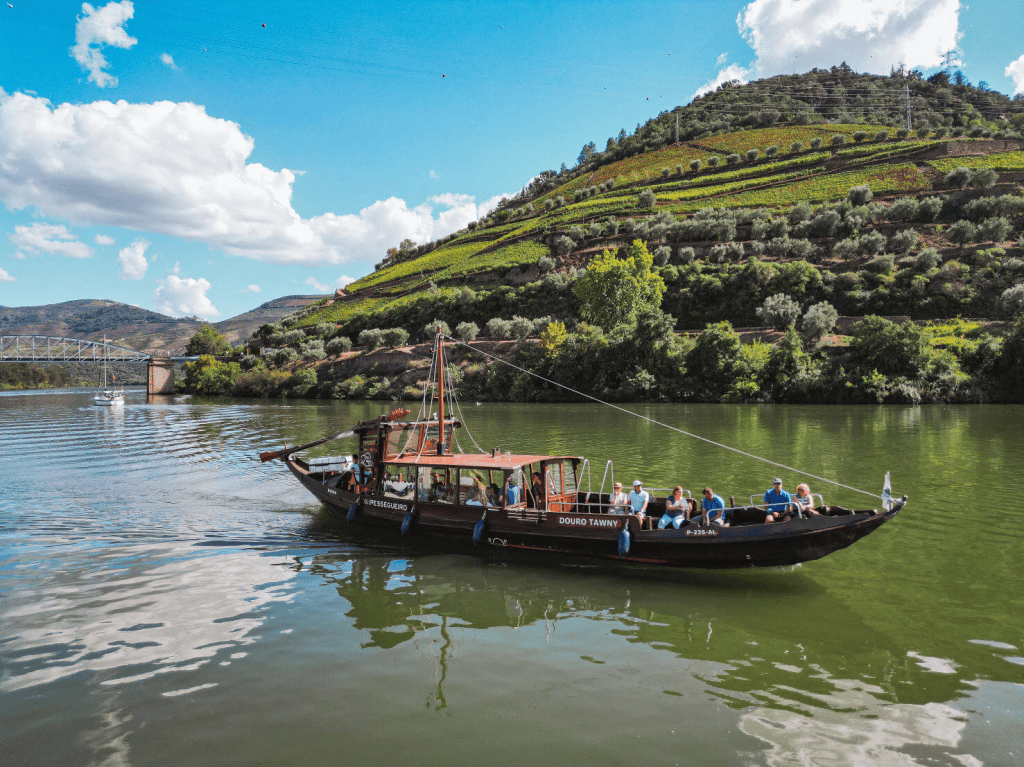
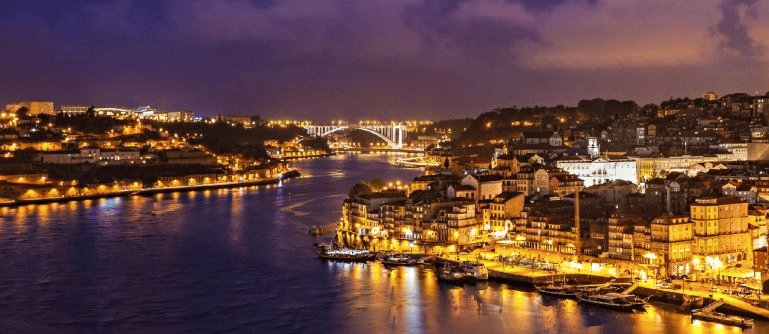
Then there is Port, that brings back so many memories of family meals. Port is patient wine. The grapes grow on terraces carved into the schist hillsides of the Douro Valley, and fermentation is stopped early with a neutral grape spirit called aguardente, which keeps the fruit’s natural sweetness and gives the wine its glow. Then it waits, sometimes for decades, in the cool, dim lodges of Vila Nova de Gaia across the river from Porto, where the air smells of old oak and the barrels are stacked to the rafters. For centuries those barrels came downriver on flat-bottomed rabelo boats, and you can still see them moored along the Gaia waterfront.
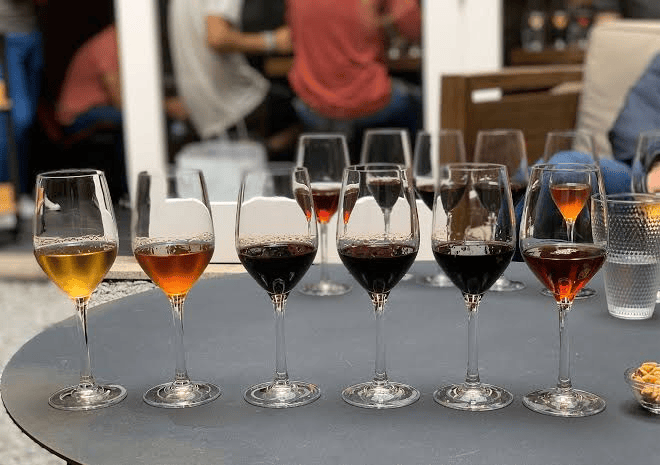
A quick guide to Port styles:
Ruby: young, fruity and bright red. The easy everyday Port.
Tawny: aged longer in barrel until it turns amber and nutty. The 10- and 20-year tawnies are my favorite after-dinner glass.
Late Bottled Vintage (LBV): from a single year, bottled four to six years after harvest. Rich, and ready to drink.
Vintage: made only in the best years, about 2% of all Port, and built to age for decades.
White: made from white grapes and served chilled. In Porto it is often mixed with tonic as an aperitif.
Rosé: the newest style, created by Croft in 2008.
My experience: Serve Port slightly cool rather than at room temperature, especially tawny, and don’t save it only for dessert. A chilled white Port and tonic on a warm Porto evening may become your new favorite drink.
The wine regions worth the trip.
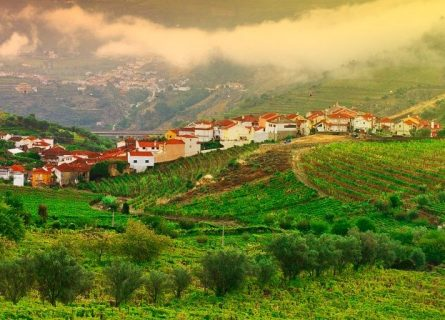
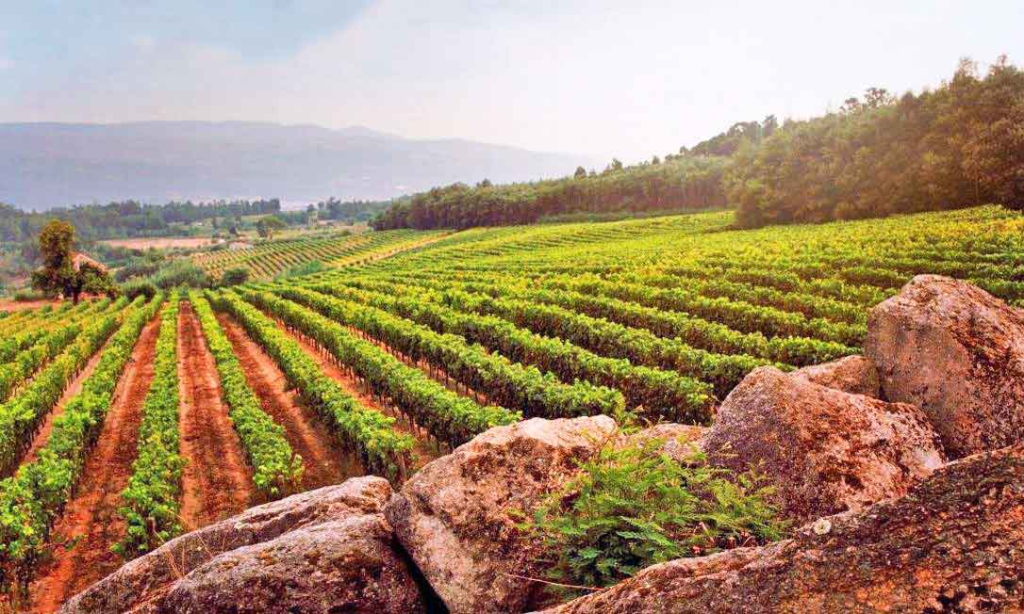
The Douro Valley. The Douro was demarcated in 1756, the first wine region in the world to receive formal boundaries, and its terraced vineyards became a UNESCO World Heritage Site in 2001. Come after the harvest, in late October and November, when the vines blaze copper and gold above the river and the winemakers finally have time to sit down and talk. Stay a few nights rather than rushing through on a day trip. Linger over lunch on the terrace at Quinta do Crasto, a family estate high above the river for more than a century, or spread out a picnic at Croft’s Quinta da Roeda in Pinhão, where at harvest guests can roll up their trousers and tread grapes in the granite lagares.
Vila Nova de Gaia, across from Porto. Every great Port house has its lodge here, and an afternoon moving between cellars is the easiest introduction to Port there is. Taylor’s and Graham’s both welcome visitors, and Graham’s 1890 Lodge has its own restaurant, Vinum.
The Dão. Often called Portugal’s answer to Burgundy, the Dão sits on a granite plateau sheltered by the Serra da Estrela and two smaller mountain ranges. Its reds are built on Touriga Nacional, and its whites on Encruzado, one of Portugal’s great white grapes. Combine it with the Serra da Estrela for cheese season and you have a winter food trip few Americans know about.
The Alentejo. Wide, sun-warmed estates, cork forests and long lunches. Some wineries here still make wine in clay amphorae called talhas, a tradition thousands of years old. The new wine is traditionally opened around St Martin’s Day, and Herdade do Rocim hosts Amphora Wine Day each November. For a stay, Esporão’s Herdade do Esporão is one of the region’s great wine estates.
Vinho Verde and the Minho. Green, Atlantic and cool, the far north makes the fresh whites Portugal is famous for, including Alvarinho. Esporão’s Quinta do Ameal, near Ponte de Lima, lets you sleep among the vines in suites set between the vineyard and the woods.
The Setúbal Peninsula. An easy day from Lisbon. José Maria da Fonseca has made wine in Azeitão since 1834, and its Casa Museu is the place to taste Moscatel de Setúbal, one of the world’s great sweet wines.
NONIUS Pro Tip: Book tastings at smaller, family-run estates directly or through a local specialist rather than simply turning up. Many have no visitor center at all, and the most memorable visits are the ones where the winemaker walks you through the cellar personally.
Christmas in Portugal, by Land and by River.
Christmas is one of the loveliest times to visit Portugal. Starting late November the country changes its clothes. Lights are strung from the great squares of Lisbon and Porto down to the narrowest alleys of the old quarters, shop windows fill with nativity scenes and towers of bolo-rei, and the smell of roasted chestnuts drifts from street carts on every corner. It is a season best enjoyed on foot and after dark, when the cities glow and everyone seems to be out walking.
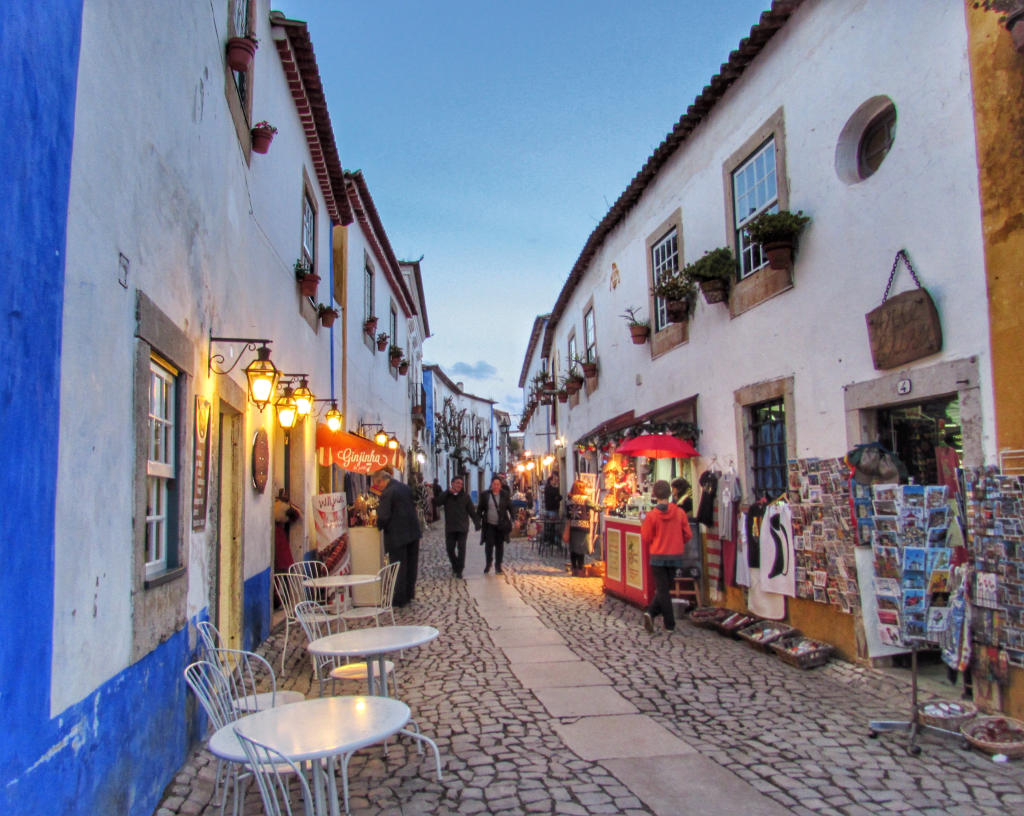
Christmas markets pop up in squares and parks across the country, from the big city fairs of Lisbon and Porto to village stalls selling local cheese, honey, cured meats and sweets made only at this time of year. In Óbidos, the whole town inside its medieval walls becomes a Christmas village, a favorite with families traveling with children.
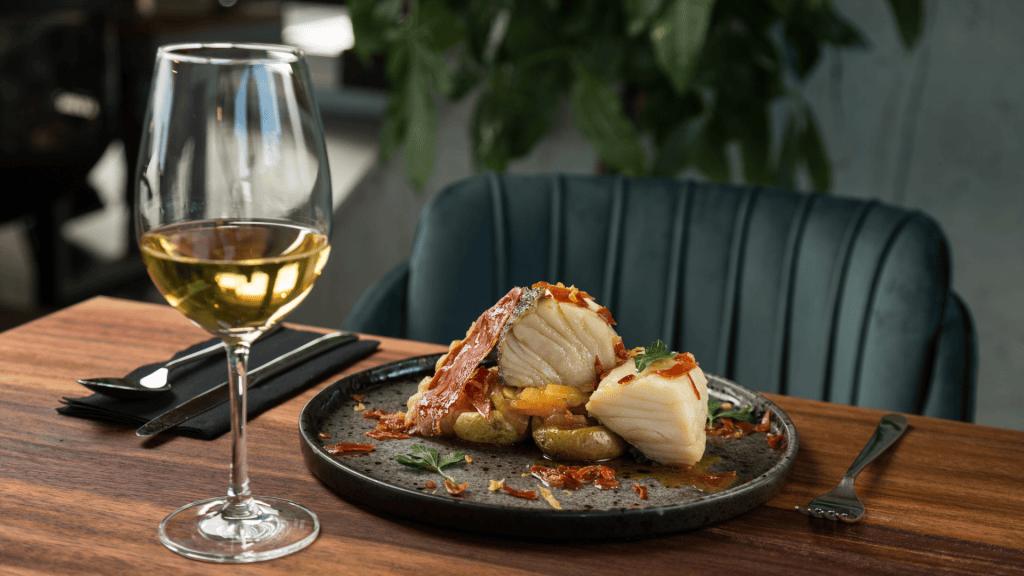
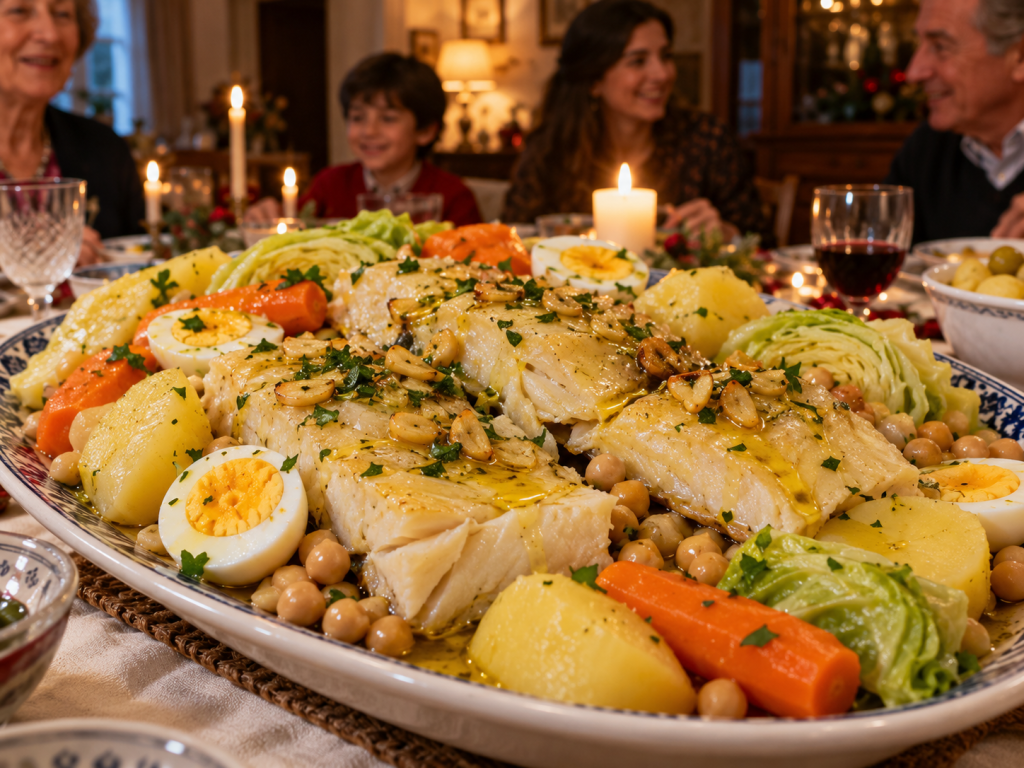
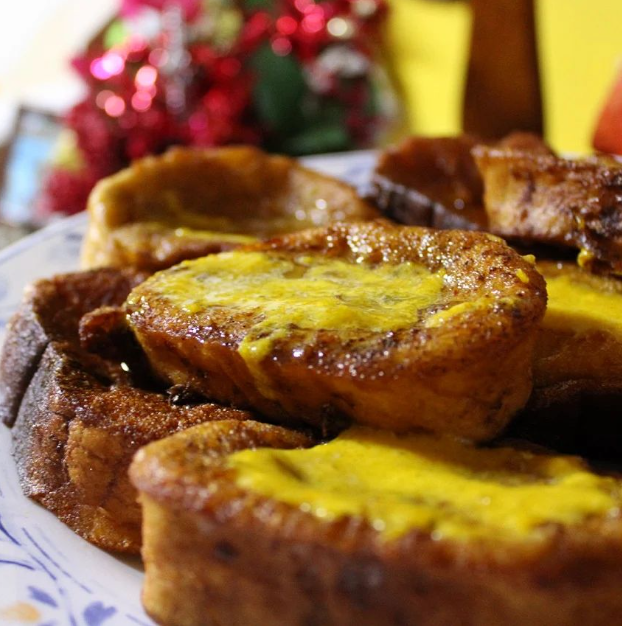
The main event is Christmas Eve, the Consoada. Families gather around salt cod with boiled potatoes, cabbage and eggs, generously dressed with olive oil, and in the north often octopus as well. Then the table fills with sweets: rabanadas, Portugal’s answer to French toast, soaked in wine or syrup and dusted with cinnamon; fried filhós and sonhos; and the crown-shaped bolo-rei, studded with candied fruit. Many families still go to Midnight Mass, and some inland villages keep the older custom of the madeiro, a great log fire lit in the church square on Christmas Eve, around which the whole community gathers.
NONIUS Pro Tip: Christmas Eve, not Christmas Day, is the main family meal. Many traditional restaurants close early on the 24th and stay closed on the 25th, so book your Christmas meals well in advance, or let a local partner arrange a private table for you. Save your shopping for the local markets. They are the best place to find edible gifts like Serra da Estrela cheese, a bottle of tawny Port or a tin of good olive oil.
A festive Douro river cruise.
If you would love to see the Douro at Christmas without packing and unpacking, AmaWaterways sails the Douro over the holidays. Its Enticing Douro (Christmas Time) departure on December 18, 2026 sails round trip from Porto. It includes a Port tasting and private dinner at Croft’s Quinta da Roeda, sparkling wine and lunch at a quinta near Lamego, and on Christmas Eve a Port tasting and an illuminated evening cruise through Porto. Email me to book.
Beyond the table: Portugal in the holiday season.
The holidays in Portugal offer far more than food. Lisbon rings in the New Year with crowds gathered at Praça do Comércio and fireworks at midnight over the river, while the New Year’s Eve fireworks over Funchal, on Madeira, once set the Guinness World Record for the biggest fireworks display in the world. In the mountains, the Serra da Estrela, Portugal’s largest ski resort, usually has snow from December to March, and down south the Algarve offers mild winter days for golf and coastal walks. Everywhere, the summer crowds have gone home, so palaces, museums and old quarters are yours to wander at an unhurried pace.
Every Season Has Its Table.
November and December are my favorite months for a food trip to Portugal, but there is no wrong season. Here is how the year tastes:
When
Where
What to taste
February
Celorico da Beira and Serpa
Cheese fairs celebrating Serra da Estrela and Alentejo sheep’s cheeses
February to March
Porto
Simplesmente Vinho, a showcase of artisan wines
March to April
Óbidos
The International Chocolate Festival
May
Évora
ÉvoraWine, celebrating the wines of the Alentejo
July
Monção
Feira do Alvarinho, the festival of the Minho’s great white
August
Olhão, Algarve
The seafood festival, with shellfish from the Ria Formosa
September
The Douro and across the country
Harvest season, when estates invite guests to pick and tread grapes
October to November
Santarém
The National Gastronomy Festival
November
Alcobaça and the Alentejo
Monastic sweets and liqueurs, and the opening of the new amphora wine
2027: Bring Your Group to the Table.
Some of my favorite journeys are the ones shared. For 2027, I am planning group food and wine trips to Portugal: private cellar visits, long estate lunches, a harvest week in the Douro, and amphora wine in the Alentejo around St Martin’s Day. I am also designing a retreat that brings together wellness, slow travel and wine, with options for women traveling solo, couples and friends.
If you have a wedding, birthday, an anniversary or a family reunion coming up, a private stay at a wine estate is one of the most memorable ways to celebrate it. Tell me what you have in mind and I will build it around your table.
FAQ.
When is the best time for a food trip to Portugal? November, in my opinion. The harvest is in, the new wine and olive oil are being poured, St Martin’s Day falls on November 11, and the summer crowds are gone. December is a close second for Christmas markets and the Consoada.
Which Portuguese wines go with Thanksgiving turkey? A red from the Dão, with its soft tannins and fresh acidity, is my first choice. For the sides, try an Alentejo white or an Alvarinho, and finish with Moscatel de Setúbal or a 10- or 20-year-old tawny Port.
What is the difference between ruby and tawny Port? Ruby is young, fruity and red. Tawny spends longer in barrel, turning amber with notes of caramel, nuts and dried fruit.
Do I need to book restaurants in advance? For everyday tascas, rarely. For Christmas Eve, mountain restaurants at weekends and small wine estates, yes, well ahead.
Is it too late to plan a trip for this November or December? Not at all. Smaller hotels, private tastings and holiday tables can still come together, and planning them is exactly what I do.
Ready to book your culinary tour of Portugal?
We also book weddings, proposals, groups, wellness, multigenerational and sports trips.
Contact me today to craft your personalized experience. With exclusive local partnerships, insider itineraries, and seamless logistics handling, we will transform your destination into your next unforgettable reality. Reach out to me at our email or alternatively, complete the form below with your dates and interests for your upcoming trip.
This is where the trip actually comes together. NONIUS DMC, Portugal’s destination specialists, hold relationships with venues in every region and a full bench of trusted suppliers (planners, photographers, florists, musicians, private drivers), with one point of contact who stays with you from your very first question through the last dance.
Here’s how easy this is: you book with me. I’ll help you choose the region, the season, and the shape of the week, and then NONIUS finishes the trip, guiding you and every guest through it on the ground in Portugal, so nothing is left to chance and nothing falls on you. A trip, not a night. An experience, not a venue. Let’s start planning it. bookings@noniustravel.com, https://www.instagram.com/noniustravel