My clients who visit Portugal for the beaches of the Algarve, a little wine tasting and some exploring come home completely happy, and I love planning those relaxing trips. But the travelers who come home with the most interesting stories are the ones who start noticing the layers. They tell me about the Roman temple standing in the middle of a town square in Évora, the castle the Moors built high above Lisbon, and the little church in the south that still has the prayer niche of the mosque it once was. They describe the ropes, shells and sea monsters carved into the stone of a monastery paid for with spice money. Once you notice one layer, you start finding them everywhere, and the whole trip becomes a story you can’t stop telling.
This is the kind of travel I have been writing about all year, the slow, immersive style of new luxury where the real indulgence is time. Instead of racing between sights, you stay long enough to know a place a little, linger over a long lunch, and let a guide from the community open doors you would never find alone. This is what I keep coming back to for clients who want to understand Portugal. It runs from Lisbon to Porto the long way, through the hill towns of the interior, and it covers more than two thousand years of history at an unhurried pace.

My Experience: When Lord Byron visited Sintra in 1809, he called it a ‘glorious Eden’ and wrote home saying it was the most beautiful village in the world. For centuries, whenever the Portuguese climate got unbearable, the royals would climb up into these misty, pine-covered hills where the weather completely changes. Standing in the foggy gardens of Quinta da Regaleira with its secret underground initiation wells, you realize Sintra isn’t just a place, it’s like stepping directly into a gothic fantasy novel that someone accidentally brought to life.
Why Portugal Rewards the Curious Traveler.
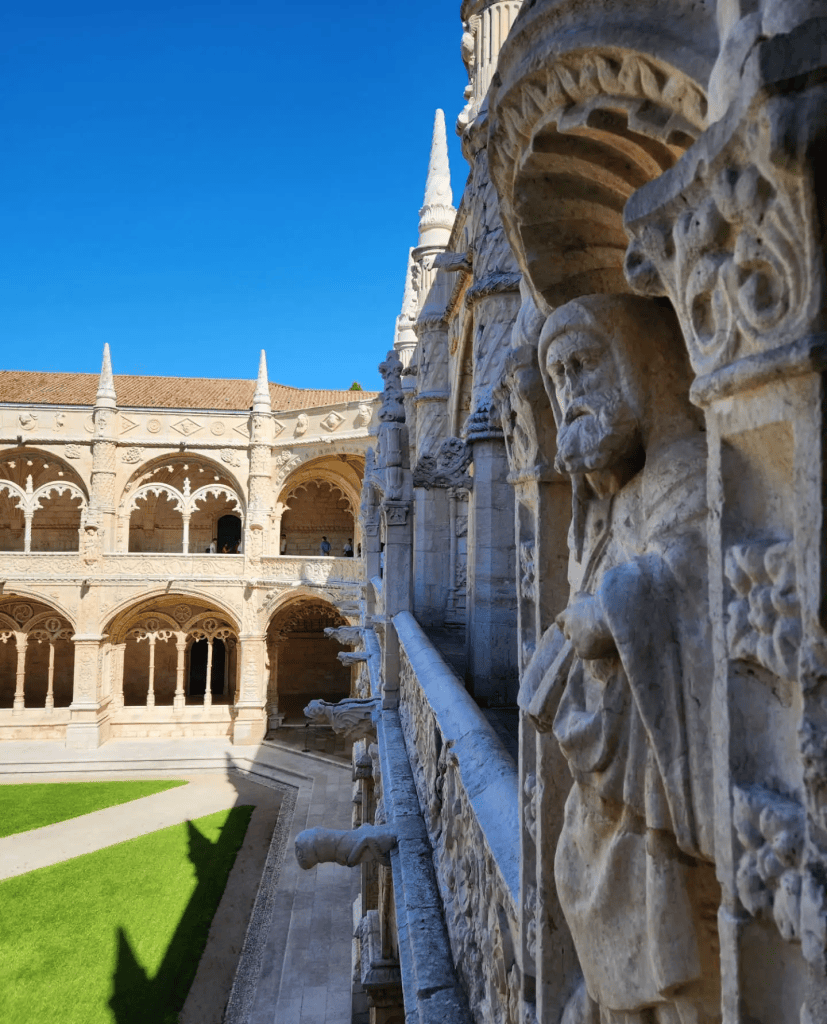
Few countries in Europe have kept their shape for as long as Portugal has, and that long, steady history means the layers are still easy to read. The Lusitanians held the interior when Rome arrived. Rome built roads, villas and temples, and named Lisbon Olisipo. From 711 much of the land became part of Al-Andalus, and the Islamic world left behind irrigation, almond and citrus groves, and words the Portuguese still use every day, like azeite for olive oil and azulejo for the painted tiles you will see on every street.
Jewish communities lived here from Roman times and served the crown from the kingdom’s first reign. Christian kings pushed south through the twelfth and thirteenth centuries. Then a small Atlantic kingdom sent its ships around Africa to India and across to Brazil, and came home rich enough to build some of the most extraordinary monuments in Europe.
The best part is how close together it all sits. In a single week you can stand in a Roman temple, a Moorish castle, a Templar fortress and a synagogue that hid its faith for centuries, and still have time for fado and a glass of port.
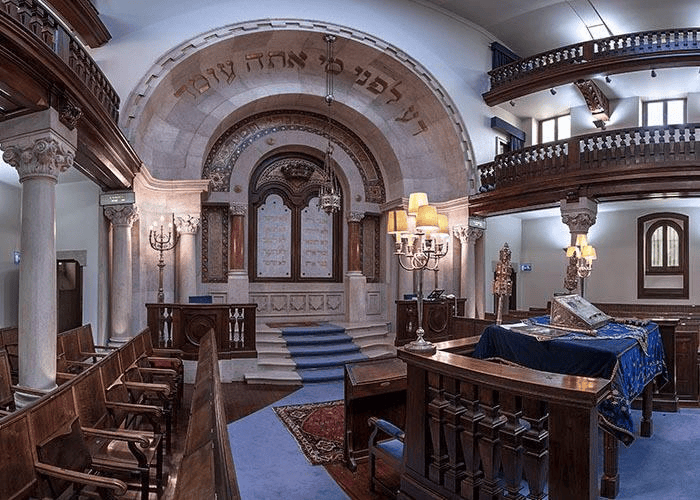
A Few Things Most Visitors Never Learn.
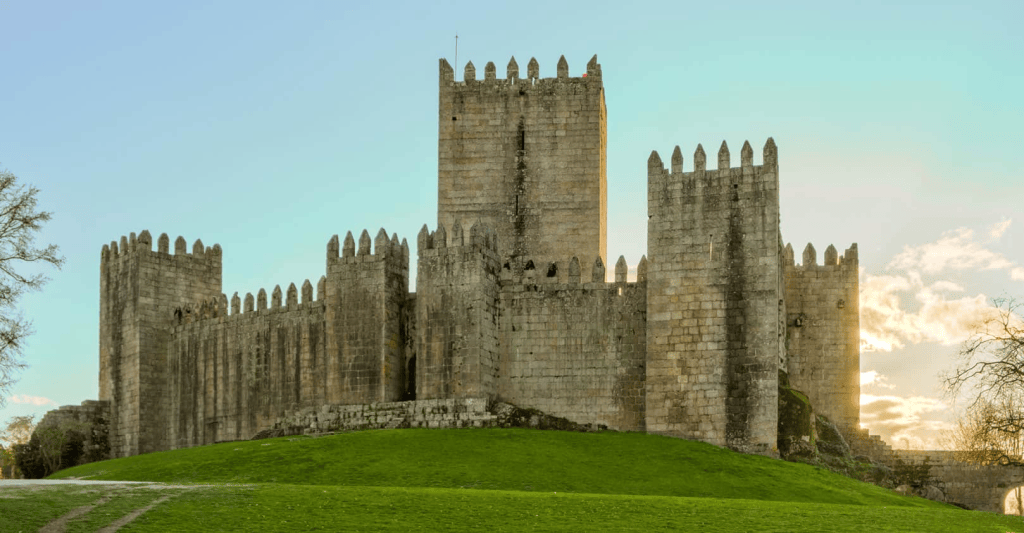
Portugal says out loud where it was born. In Guimarães, in the north, a stretch of the old town wall carries the words “Aqui nasceu Portugal,” here Portugal was born. Tradition holds that the first king, Afonso Henriques, was born in the town, and its castle still crowns the hill.
Fado has deep neighborhood roots. The music of longing that drifts out of Lisbon’s tavernas at night is recognized by UNESCO as intangible cultural heritage, and its origins are usually traced to Alfama and Mouraria. Mouraria takes its name from the Moors, who were made to live in that quarter after Lisbon was taken in 1147.
There is a working church in the Alentejo that was once a mosque. In Mértola, near the Spanish border, the parish church still keeps the mihrab, the niche that once pointed worshippers toward Mecca.
The Route, Stop by Stop.
Lisbon, Seven Hills and Many Centuries.
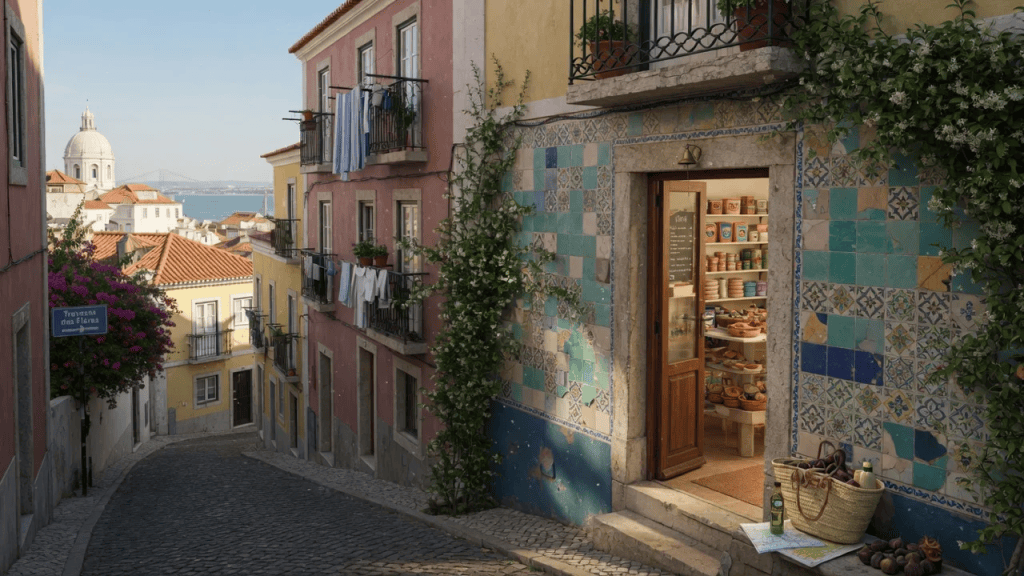
Start at the top, at the Castelo de São Jorge, where the Moorish citadel looks over the river. Walk down through Alfama and Mouraria, the two oldest neighborhoods in the city, where laundry hangs over lanes that still follow their medieval lines. Alfama also holds a Rua da Judiaria from the old Jewish quarter, and in Largo de São Domingos, beside Rossio, a memorial recalls the massacre of April 1506 under an inscription declaring Lisbon a city of tolerance.
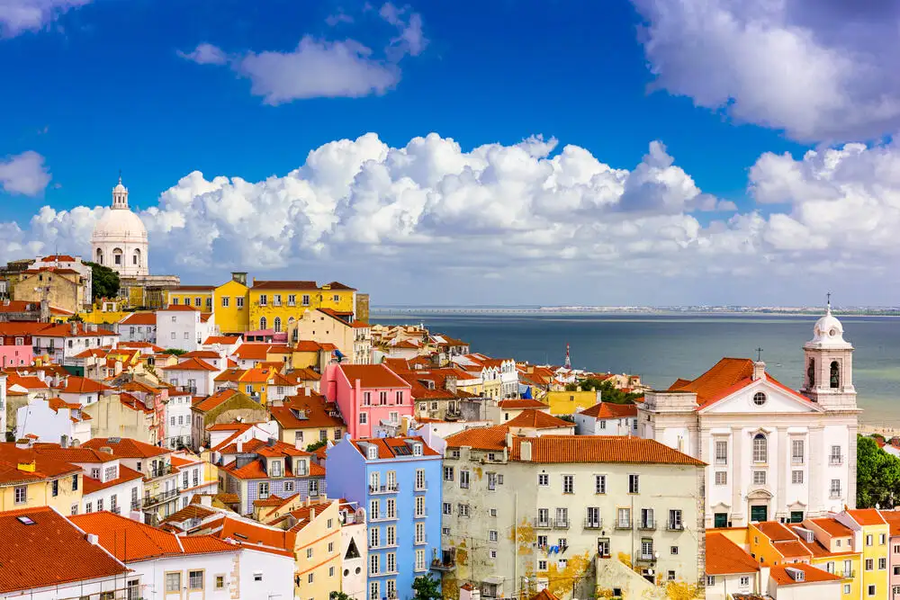
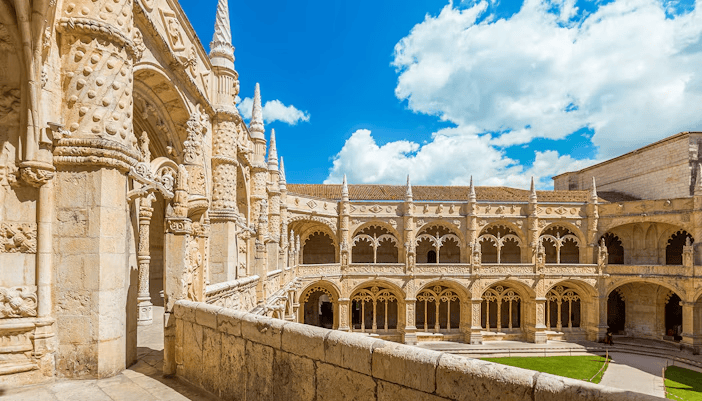
Give Belém a full morning. The Jerónimos Monastery and the Belém Tower are both UNESCO World Heritage Sites, carved in the Manueline style that turned rope, coral and armillary spheres into stone. Vasco da Gama is buried inside Jerónimos, and once you know how much Portuguese navigation relied on Jewish astronomers like Abraham Zacuto, the whole Age of Discovery reads differently. Then save an afternoon for the National Tile Museum in the Madre de Deus convent, which tells the story of the azulejo from its Moorish roots onward.
NONIUS Pro Tip: “Visits to Shaaré Tikvá are always guided and must be booked in advance. Tourist visits run only on Tuesday and Thursday mornings, never on Fridays, Saturdays or holidays, and identification may be requested, so have your passport details ready. Book that slot before anything else and build the rest of Lisbon around it.”
Delia’s Tip: Book a fado dinner in Alfama or Mouraria on your first or second night. It sets the emotional tone for everything that follows.
Sintra, Palaces in the Mist
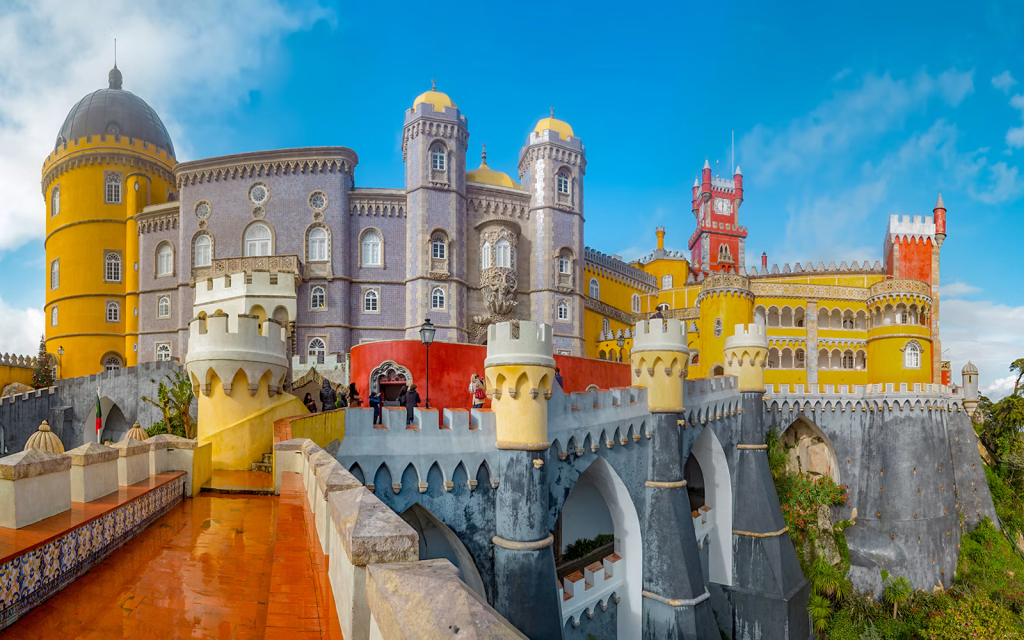
Less than an hour from Lisbon, Sintra stacks a thousand years of history onto one green hillside, and UNESCO recognizes the whole landscape. The walls of the Moorish Castle run along the ridge. Above them sits the Pena Palace, the nineteenth century romantic fantasy built for King Ferdinand II, painted in yellows and reds. Down in the town, Quinta da Regaleira hides gardens, grottoes and an Initiation Well that spirals deep into the rock.
Delia’s Tip: Entry to Pena Palace is only with a ticket booked for a set date and time, and there is no grace period if you arrive late, so book ahead and take the earliest slot you can.
Tomar, Alcobaça and Batalha, the Monastery Road
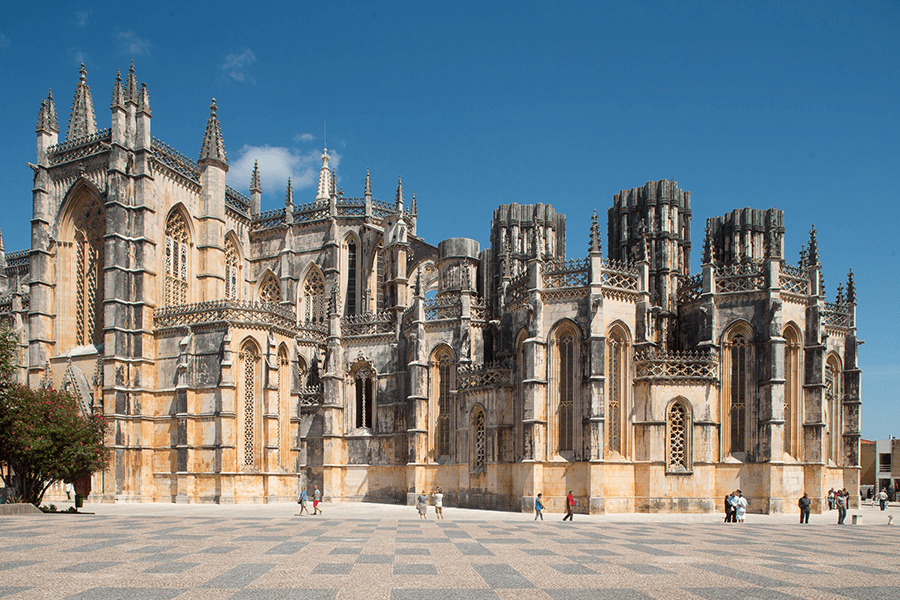
Driving north, you can stop at two more UNESCO monasteries on the way. Alcobaça holds the carved tombs of King Pedro I and Inês de Castro, the great tragic love story of Portuguese history, placed so they will face each other on the day of resurrection. Batalha was built to give thanks for the victory at Aljubarrota in 1385, the battle that secured Portugal’s independence from Castile.
Tomar is the reward at the end of the day. The Convento de Cristo was the seat of the Knights Templar and later the Order of Christ, which helped finance the voyages of discovery. A few streets below it stands one of only two medieval synagogues to survive in Portugal, now the Abraão Zacuto Luso-Hebraic Museum.
NONIUS Pro Tip: “See the Convento de Cristo in the morning and the synagogue after lunch. The contrast between the scale of one and the intimacy of the other is the whole point.”
Coimbra and Conímbriga, Scholars and Mosaics
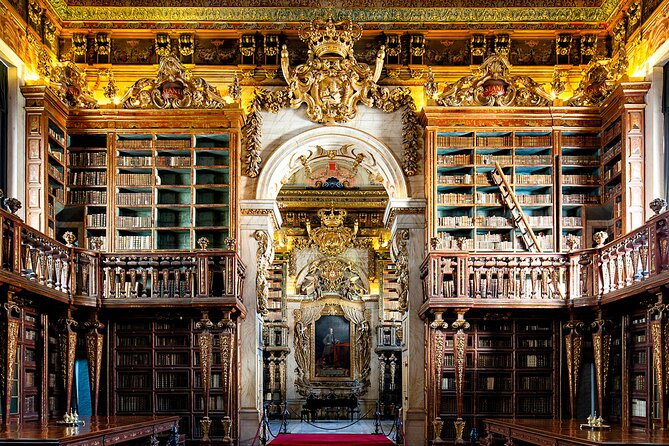
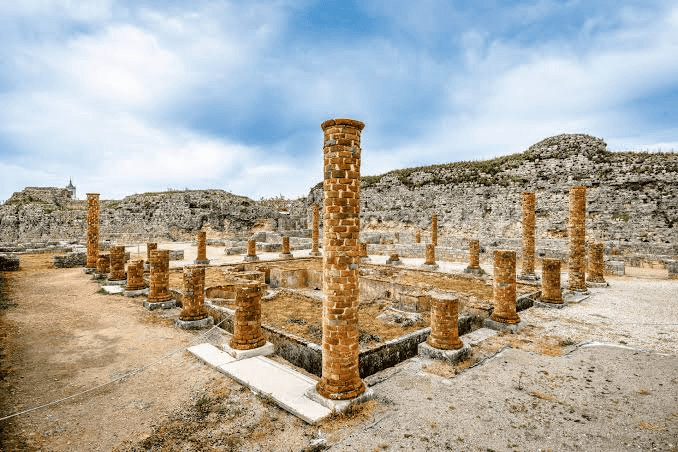
Coimbra was Portugal’s capital before Lisbon, and its university, founded in 1290 and settled here in 1537, is one of the oldest in Europe. The hilltop campus is a UNESCO site, and the gilded Joanina Library is one of the most beautiful rooms in the country. Just outside the city, Conímbriga is among the best preserved Roman settlements in Portugal, with mosaic floors you can walk beside and the outlines of houses, baths and a forum.
Delia’s Tip: Entry to the Joanina Library is by timed slot, with a new group let in every twenty minutes, and slots sell out in summer and on weekends. Reserve yours as soon as your Coimbra day is fixed.
Belmonte and Trancoso, the Heart of the Interior
Belmonte, in the hills below the Serra da Estrela, holds two very different stories. Its castle is the birthplace of Pedro Álvares Cabral, the navigator who reached Brazil in 1500. The same town is home to a community that kept its Jewish faith in secret for more than four centuries, passing prayers down by memory, until the outside world learned of them in the early twentieth century. The Bet Eliahu Synagogue and the Jewish Museum of Belmonte, the first Jewish museum in Portugal, tell that story where it happened.
Nearby Trancoso is a walled medieval town of stone lanes and gates, and its Casa do Gato Preto, carved with the Lion of Judah, is believed to have been a synagogue and rabbi’s house.
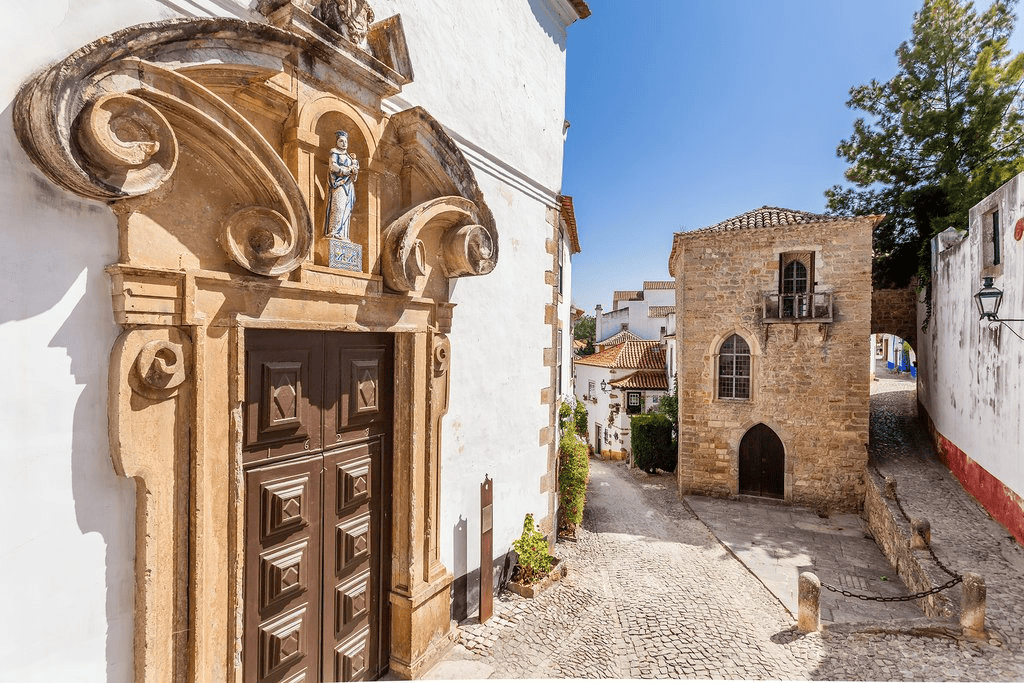
NONIUS Pro Tip: “Do not do it as a day trip from Lisbon. Stay the night, pair it with Tomar on the way north and the Aristides de Sousa Mendes Museum on the way to Porto. Check the Jewish calendar before fixing dates, since synagogues close for Shabbat and the festivals, and the Jewish Museum of Belmonte is closed on Mondays.”
Cabanas de Viriato, the House of Conscience
In June 1940, Aristides de Sousa Mendes, Portugal’s consul in Bordeaux, defied his government and issued visas to thousands of refugees fleeing the Nazi advance. He lost his career and died in poverty, and Yad Vashem later recognized him as Righteous Among the Nations. His family home, the Casa do Passal, opened in July 2024 as a museum of original visas, letters and testimonies. It is one of the most moving stops in the country, whatever your background.
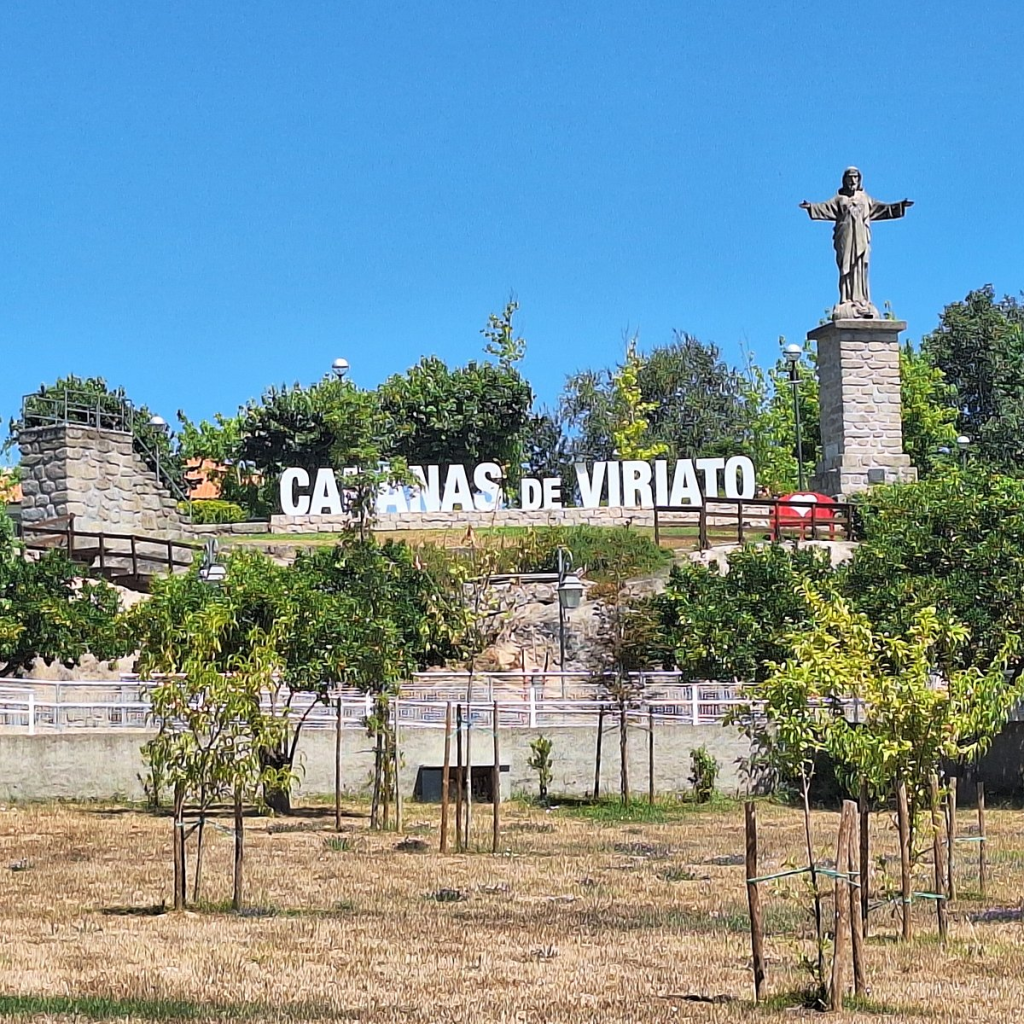
NONIUS Pro Tip: “Visit on the drive between Belmonte and Porto. It sits naturally on that route, and arriving in Porto straight from this house gives the city’s own twentieth century story a different weight.”
Porto and the North, Where Portugal Began
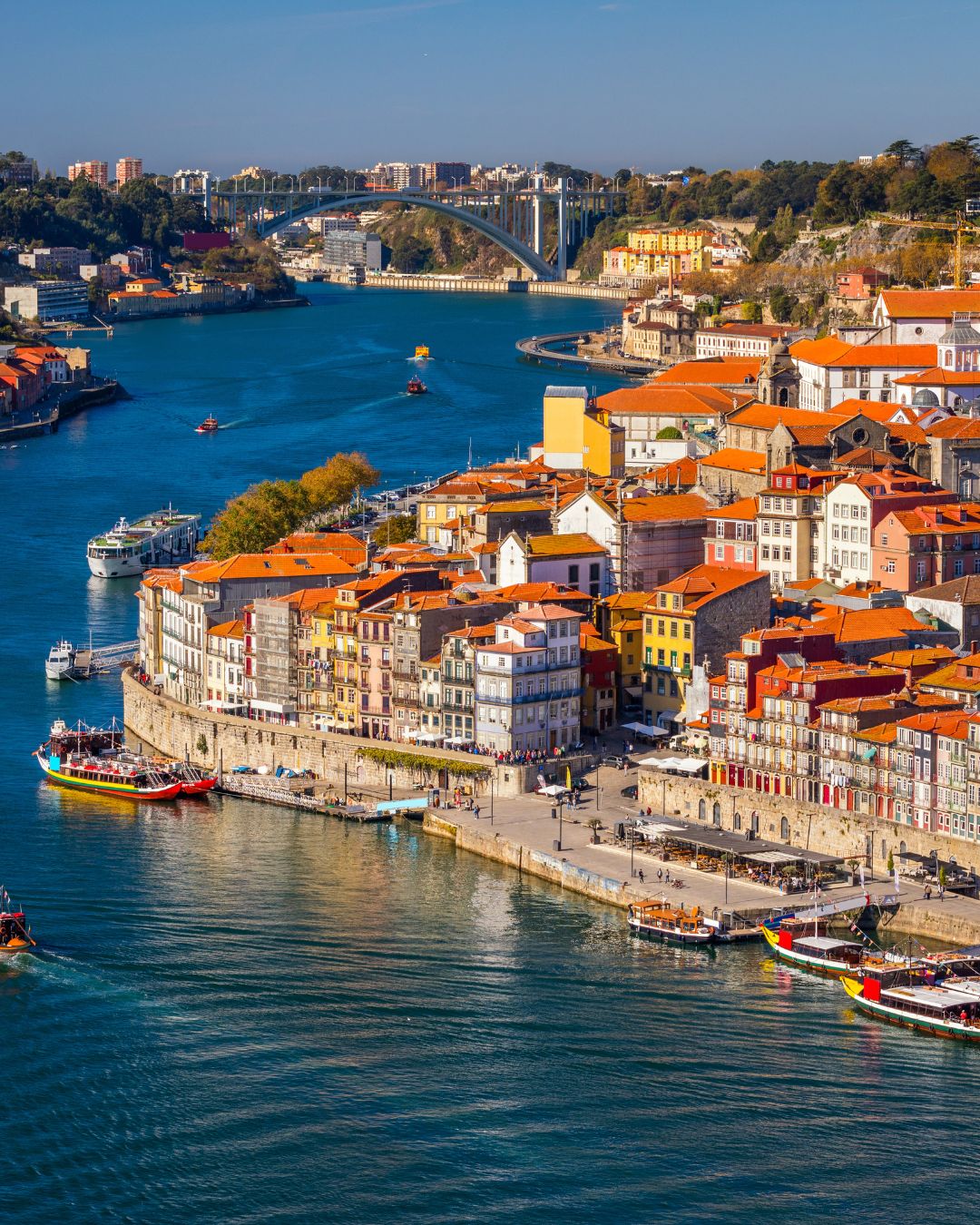
Porto’s riverside Ribeira district is a UNESCO site, all stacked houses and steep stairways down to the Douro. Step into São Bento station to see the entrance hall lined with around twenty thousand azulejo tiles telling scenes from Portuguese history. The city’s Jewish story continues at the Kadoorie Mekor Haim Synagogue, the largest on the Iberian Peninsula, which also houses the Jewish Museum of Porto.
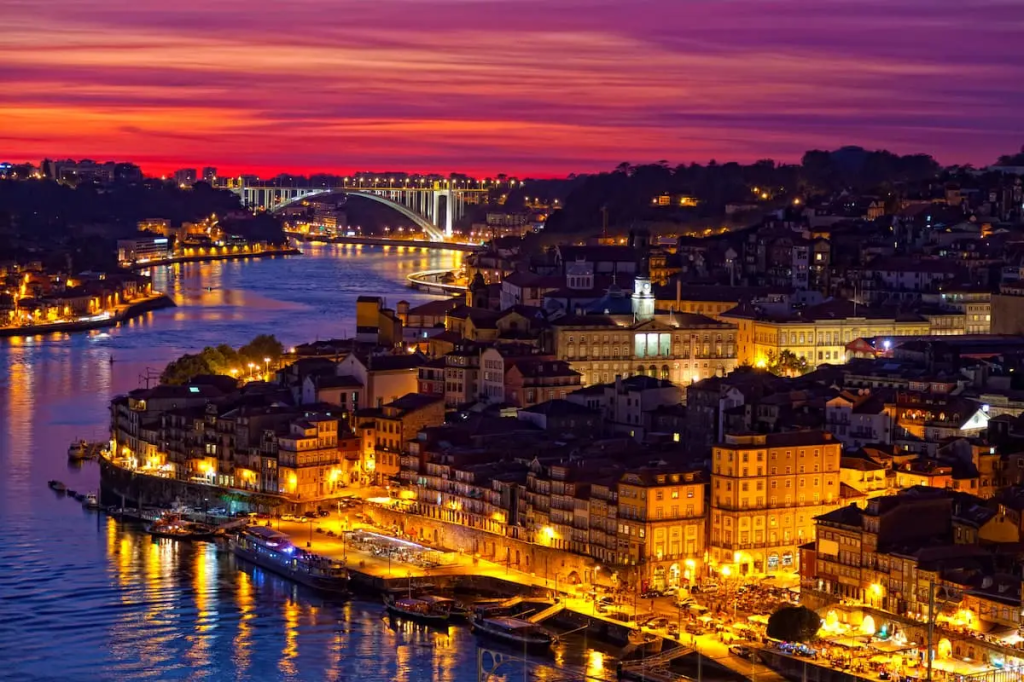
From Porto, the north opens up. Guimarães, with its castle and its “Aqui nasceu Portugal” wall, is an easy day out, and nearby Braga is crowned by the baroque stairway of Bom Jesus do Monte. Then head east into the Douro Valley, demarcated in 1756 as one of the first officially defined wine regions in the world, where terraced vineyards fall all the way to the river.
The Alentejo, Quiet Towns and Long Views.
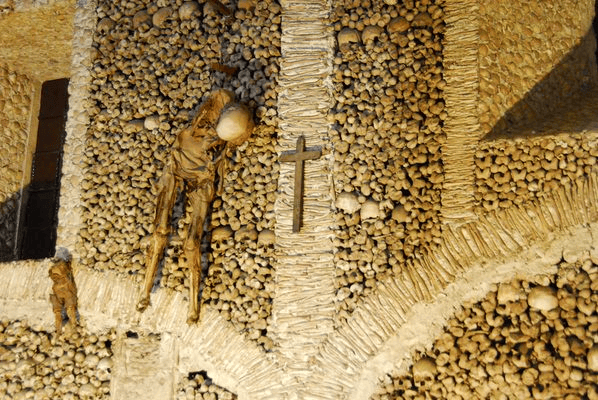
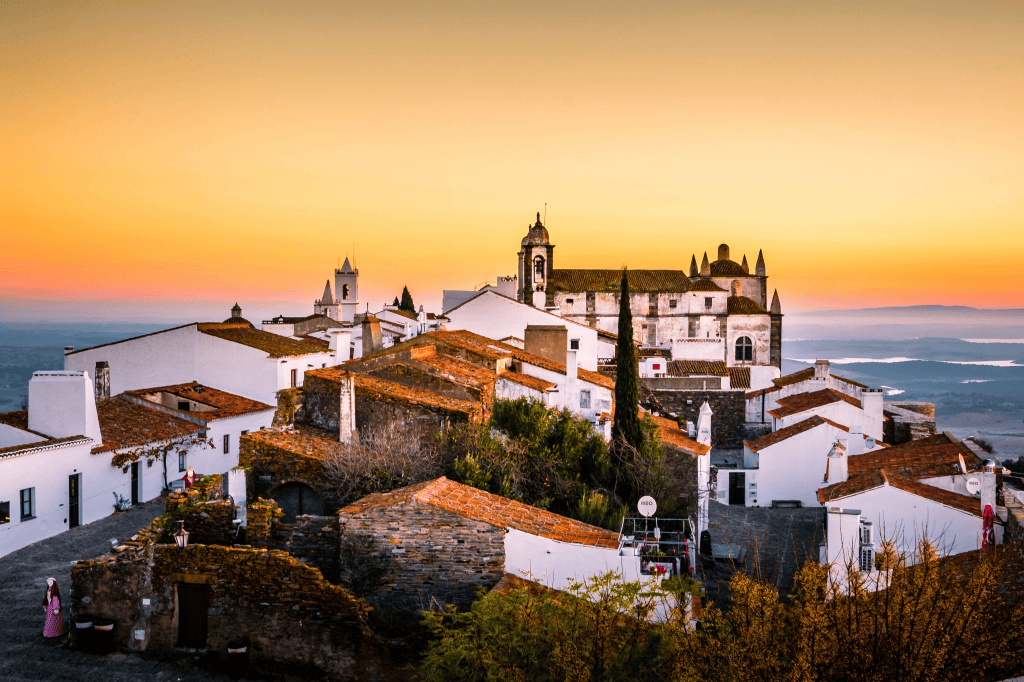
In the south, the pace drops and the history gets even older. Évora’s historic center is a UNESCO site built around a Roman temple from the first century, and the town’s Chapel of Bones greets visitors with the line “We bones that are here are waiting for yours.” Mértola sits above the Guadiana River with its mosque-turned-church, Monsaraz looks out over the Alqueva lake from inside its walls, and in Castelo de Vide the medieval Judiaria climbs the hill to the other surviving medieval synagogue.
Delia’s Tip: Take the train from São Bento up the Douro line to Pinhão at least once. The track hugs the river for much of the way, and you arrive in wine country without anyone having to drive.
Why I Trust NONIUS on the Ground.
We plan your journey with NONIUS DMC, a Portugal-based destination management company that specializes in culturally and historically grounded travel. What I value most is their access. Much of Portugal’s heritage is invisible from the street, and NONIUS knows how to open the right doors, whether that means a guide from the local community, a synagogue visit on the one morning it welcomes visitors, or a shared evening that never appears on a public schedule. In their own words, “We do not sell destinations; we build access.”
They also know the practical details that make or break a heritage trip, such as which sites close on which days, how to pace a long drive through the interior, and how to adapt a program to the Jewish calendar or a kosher kitchen when a family needs it. Their pro tips appear throughout this piece, alongside a few of my own.
How I Plan This Journey for You
Every version of this trip is built around how you like to travel. NONIUS offers a ten-day Sephardic Journey from Lisbon through the Alentejo, Tomar and Belmonte to Porto and the Douro, along with shorter routes including a three-day Lisbon, Sintra and Tomar program. From there I can weave in Coimbra, the monasteries, the north or more time in the Alentejo, and add private guides, wine estates and boutique stays along the way.
Heritage travel depends on access, timed tickets and limited visiting days, so the travelers who plan early get the best of it. If you have been waiting for a reason to see Portugal properly, this is the trip.
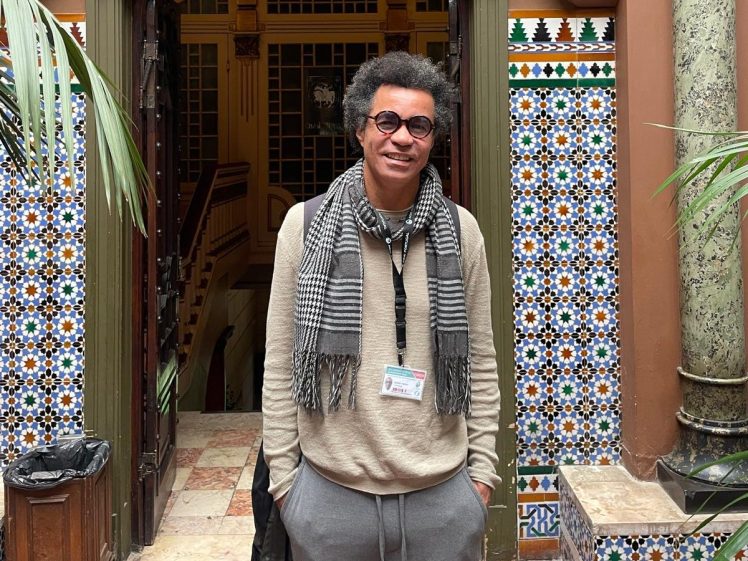
This is where the trip actually comes together. NONIUS DMC, Portugal’s destination specialists, hold relationships with venues in every region and a full bench of trusted suppliers (planners, photographers, florists, musicians, private drivers), with one point of contact who stays with you from your very first question through the last dance.
Here’s how easy this is: you book with me. I’ll help you choose the region, the season, and the shape of the week, and then NONIUS finishes the trip, guiding you and every guest through it on the ground in Portugal, so nothing is left to chance and nothing falls on you. A trip, not a night. An experience, not a venue. Let’s start planning it.
Ready to book your cultural tour of Portugal?
We also book proposals, groups, wellness, multigenerational and sports trips.
Contact me today to craft your personalized experience. With exclusive local partnerships, insider itineraries, and seamless logistics handling, we will transform your destination into your next unforgettable reality. Reach out to me at our email or alternatively, complete the form below with your dates and interests for your upcoming trip.
Email me at Contact@luxetravelpartner.com. You can also find more information about my agency at www.luxetravelpartner.com.